
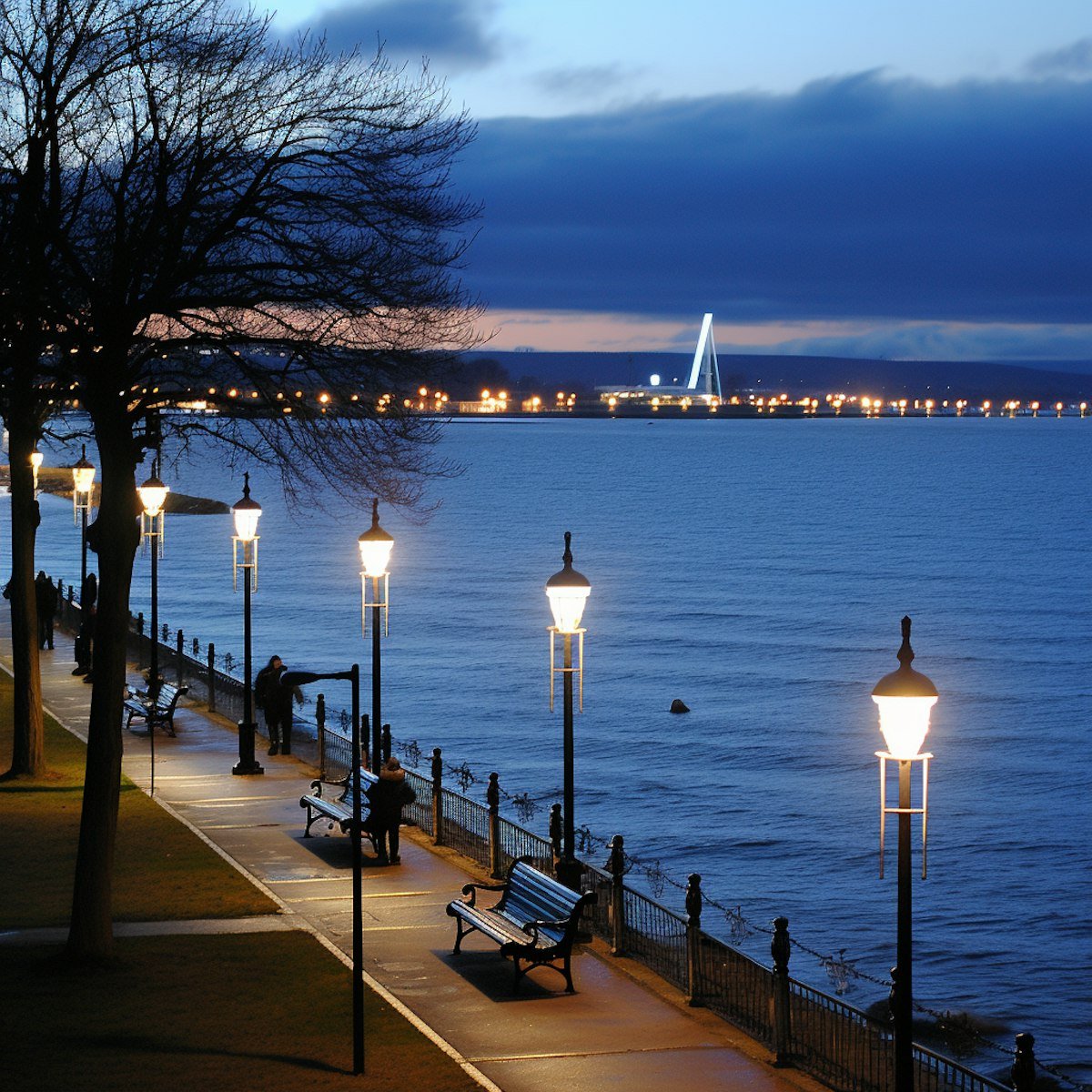
Your outdoor space doesn’t have to disappear after sunset. With thoughtful landscape lighting, you can extend the beauty, safety, and functionality of your garden, yard, or patio well into the evening. Whether it’s for curb appeal, ambiance, or added security, landscape lighting turns the ordinary into the extraordinary.
Let’s explore how smart exterior lighting design can transform your outdoor environment.


Why Landscape Lighting Matters
Landscape lighting isn’t just about aesthetics — it’s about making your outdoor space usable, safe, and inviting after dark. It highlights architecture, guides your steps, deters intruders, and creates a warm, welcoming atmosphere.
Here are the key benefits:
1. Enhances Visual Appeal
Well-placed lights can accentuate trees, flower beds, sculptures, or water features — adding depth and drama to your landscape. It’s like painting your garden with light.
2. Improves Safety
Pathway lights, stair lights, and driveway markers prevent trips and falls, making it safer for family and guests to move around at night.
3. Increases Security
A well-lit exterior discourages unwanted visitors. Motion-sensor or strategically placed lighting can add peace of mind to any home.
4. Extends Outdoor Living
Lighting patios, decks, and outdoor kitchens allows you to enjoy your backyard well into the night — perfect for entertaining or relaxing.
Types of Landscape Lighting Fixtures
Understanding the types of fixtures available can help you design a balanced, layered lighting plan.
-
Path Lights: Low-level lights that guide walkways and garden paths.
-
Spotlights: Focused beams for highlighting trees, sculptures, or facades.
-
Floodlights: Broad, powerful beams for wide areas or added security.
-
Well Lights: Recessed in the ground for uplighting trees or walls.
-
Step Lights: Installed in stairs for safety and a clean, modern look.
-
Bollard Lights: Decorative fixtures that provide 360° lighting for pathways or driveways.
-
String or Festoon Lights: Great for adding charm to patios or pergolas.
Landscape Lighting Design Tips
1. Layer the Light
Use a mix of ambient, accent, and task lighting. For example, combine floodlights with spotlights and subtle path lights for a dynamic, balanced look.
2. Think About Shadows
It’s not just what you light — it’s how you create contrast. Backlighting a tree or using uplighting on a wall can create beautiful shadow play.
3. Avoid Overlighting
Too much light can wash out your space or cause glare. Aim for a natural look that enhances rather than overwhelms.
4. Use Warm Color Temperatures
Warm white (2700K–3000K) creates a cozy, welcoming feel. Cool white may feel too stark in a garden setting.
5. Embrace Smart Controls
Integrate timers, motion sensors, or smart home connectivity to automate your landscape lighting and reduce energy use.
Sustainability & Efficiency
Modern LED landscape lighting uses a fraction of the energy of traditional bulbs and lasts significantly longer. Many systems are also low-voltage, safer to install and operate, and often solar-powered — perfect for eco-conscious homeowners.