
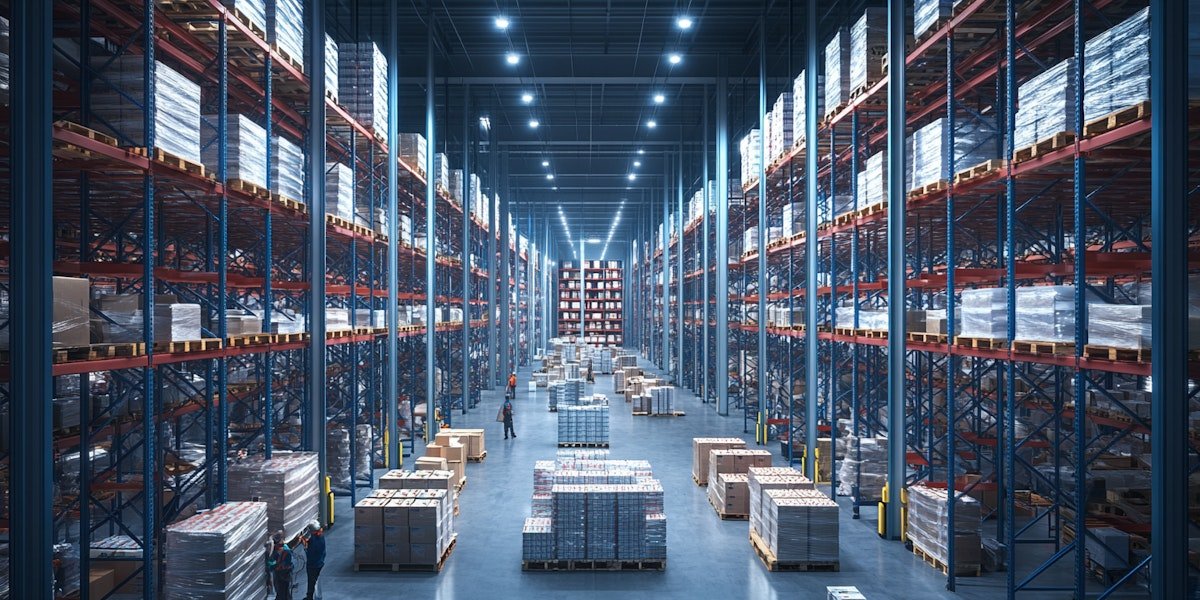
Efficient lighting is a cornerstone of safe, productive, and energy-conscious warehouse operations. Among the various lighting options, LED high bay lights have become the industry standard—especially in large, high-ceiling environments like warehouses. In this blog, we explore how 100W, 150W, and 200W high bay lights can be strategically used to maximize visibility, reduce energy costs, and enhance operational efficiency.
Why High Bay Lights for Warehousing?
Warehouses typically have ceilings that range from 15 to 45 feet in height. This makes high bay lighting essential, as it provides broad, powerful illumination that can penetrate deep vertical space while minimizing shadows and glare.
Benefits of LED high bay lighting include:
-
Energy efficiency (up to 70% less power than traditional fixtures)
-
Long lifespan (50,000+ hours)
-
Low maintenance
-
High lumen output
-
Instant-on with no warm-up time
.
“Transforming Industrial Spaces with Unmatched Highbay Illumination.”

Choosing Between 100W, 150W, and 200W High Bays
1. 100W High Bay Lights
-
Best for ceiling heights: 12–20 feet
-
Lumen output: ~13,000–15,000 lumens
-
Use case: Small to medium warehouse aisles, packing stations, or areas with lower ceiling heights.
💡 Pro tip: These are excellent for warehouses with mezzanines or split levels where too much brightness could create glare.
2. 150W High Bay Lights
-
Best for ceiling heights: 20–30 feet
-
Lumen output: ~19,000–22,000 lumens
-
Use case: General warehouse areas, shipping/receiving zones, or larger aisles.
💡 Pro tip: Great balance between energy consumption and light coverage—ideal for most standard warehouses.
3. 200W High Bay Lights
-
Best for ceiling heights: 30–40+ feet
-
Lumen output: ~26,000–30,000 lumens
-
Use case: Large distribution centers, bulk storage areas, or cold storage facilities with high ceilings.
💡 Pro tip: Use motion sensors or daylight harvesting controls to offset higher energy use in less active zones.
Key Considerations for Your Lighting Layout
When designing a warehouse lighting plan, consider the following:
-
Ceiling height: Determines the wattage and beam angle needed.
-
Rack layout: High racks need vertical illumination; open areas need wide-beam lights.
-
Color temperature: 5000K is common for warehouses due to its daylight-like clarity.
-
Lighting controls: Smart sensors can improve efficiency by adjusting brightness based on activity or natural light.
-
Spacing: Even distribution prevents dark spots. Typically, fixtures are spaced 10–20 feet apart depending on height and wattage.
Sample Layout Example
| Ceiling Height | Recommended Fixture | Spacing Between Lights | Lumen Output |
|---|---|---|---|
| 18 ft | 100W LED High Bay | 10–14 ft | ~14,000 lm |
| 25 ft | 150W LED High Bay | 12–16 ft | ~21,000 lm |
| 35 ft | 200W LED High Bay | 15–20 ft | ~28,000 lm |
Final Thoughts
Lighting in a warehouse isn’t just about brightness—it’s about visibility, safety, efficiency, and cost. Choosing the right mix of 100W, 150W, and 200W high bay fixtures allows you to tailor lighting to different zones of activity. With the right design, you can reduce energy bills, improve worker productivity, and meet safety compliance standards.
Need Help Designing Your Warehouse Lighting Plan?
Our lighting experts can help you create a customized layout using advanced simulation tools. Contact us for a free lighting audit today!