
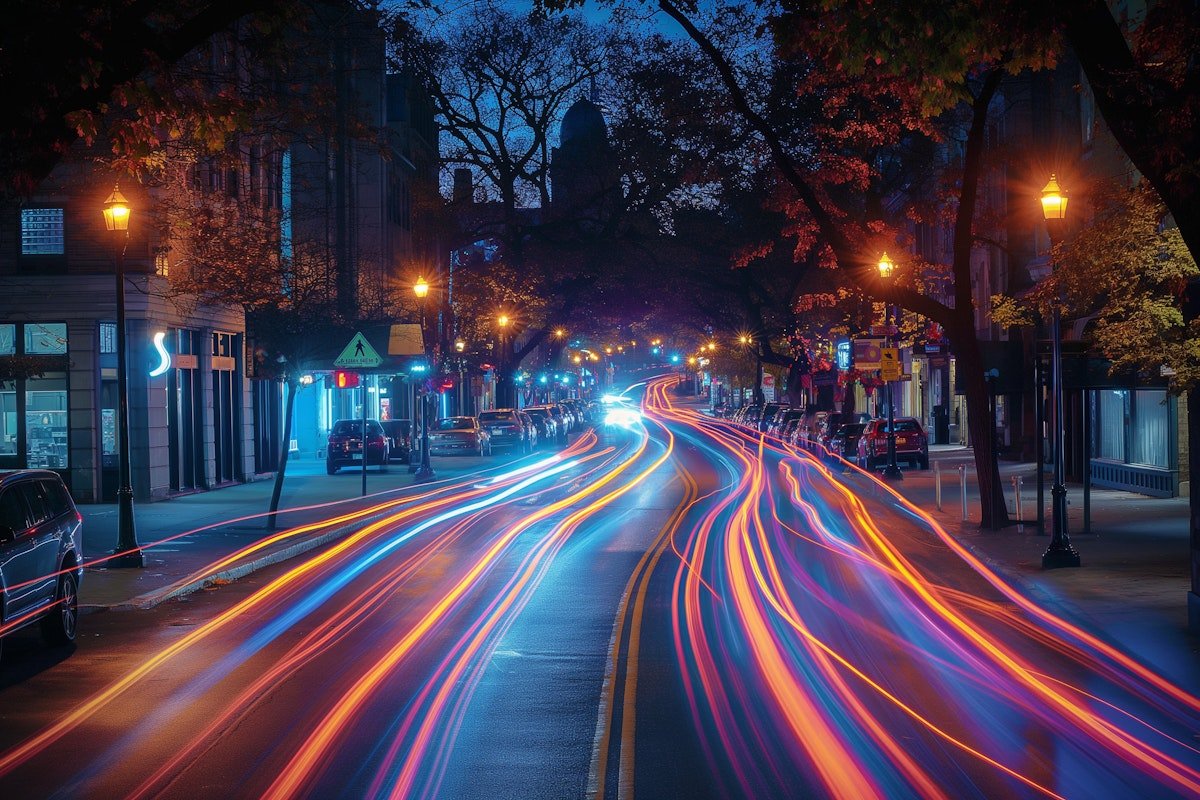
When the sun sets and darkness takes over, streetlights come to life — quietly playing a crucial role in the rhythm of our daily lives. But proper street lighting does more than simply light our way. It’s a key component of safe, functional, and welcoming communities. Here’s how:
1. Improves Public Safety
One of the most important benefits of good street lighting is enhanced safety. Well-lit streets deter crime and suspicious activity. Studies have shown that areas with proper lighting see lower rates of theft, vandalism, and violence. For pedestrians, cyclists, and drivers, visibility is key — it reduces accidents and makes nighttime travel much safer.
2. Boosts Community Confidence
A well-lit street sends a message: this place is cared for. When people feel safe walking their neighborhoods after dark, it builds trust and encourages a stronger sense of community. Local businesses benefit, too — customers are more likely to visit shops and restaurants at night when streets feel secure.
3. Supports Urban Planning and Development
Street lighting is essential in smart city design. LED and solar-powered lights are increasingly being used to reduce energy consumption and environmental impact. Some cities even use smart streetlights equipped with sensors to monitor air quality, traffic flow, and pedestrian activity.
4. Enhances Road Safety
For drivers, poor lighting can lead to delayed reaction times and misjudgments — especially in bad weather. Proper streetlights illuminate intersections, road signs, and pedestrian crossings, helping to prevent accidents and save lives.
5. Encourages Nighttime Activity
Cities that are well-lit at night attract more people to parks, public squares, events, and outdoor dining. It helps activate public spaces after dark, making urban life more vibrant and inclusive.
6. Aesthetic Appeal
Thoughtfully designed lighting adds beauty and character to a neighborhood. From elegant lampposts to dramatic architectural lighting, it shapes the look and feel of streetscapes, making them more enjoyable and memorable.
7. Environmental Considerations
Modern street lighting systems are designed to be energy-efficient. LED lights use less power, last longer, and are often paired with smart systems that dim during low-traffic hours. This balance between functionality and sustainability is vital for the future of urban infrastructure.