
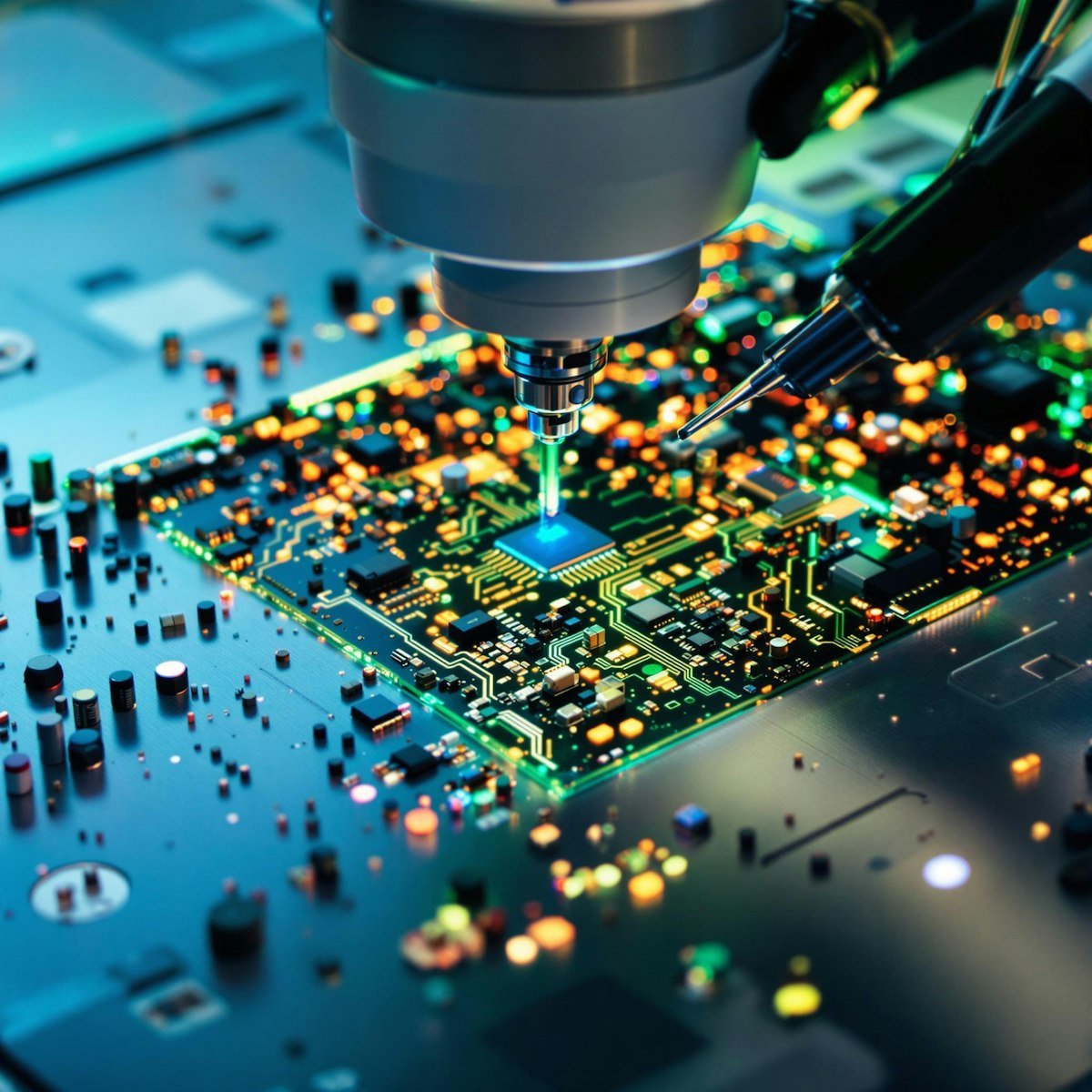
In the booming world of LED lighting, the spotlight often shines on energy efficiency, brightness, and design. But behind every high-performing LED lies a silent powerhouse — the LED driver. At the heart of modern lighting systems, LED drivers are what make LEDs efficient, reliable, and long-lasting. This blog explores what LED drivers do, why their manufacturing matters, and how innovations are shaping the future of lighting.
What is an LED Driver?
An LED driver is an electrical device that regulates the power to an LED or a string of LEDs. Because LEDs operate on low-voltage direct current (DC) power, drivers convert high-voltage alternating current (AC) from the mains supply into the appropriate current and voltage levels.
Without a reliable driver, LEDs can flicker, overheat, degrade prematurely — or not work at all.
“Cut down on all your work by collaborating with our Launch Pad team to get the framework of your online business up.” Tina Retina

Why LED Driver Manufacturing Matters
1. Precision Engineering
LED drivers are not one-size-fits-all. Each driver must be precisely engineered for the specific requirements of the LED or lighting system — accounting for power load, dimming needs, environmental conditions, and safety standards.
2. Energy Efficiency
A high-quality LED driver maximizes the energy savings LEDs are known for. Poorly made drivers waste power and create heat, reducing overall system efficiency.
3. Thermal Management
Drivers must operate within a safe temperature range. Proper design and materials selection are critical in manufacturing to ensure heat dissipation and durability, especially in high-temperature environments.
4. Safety & Compliance
Reliable manufacturers follow strict safety and regulatory standards (such as UL, CE, RoHS). This ensures not just performance, but also user safety — especially in commercial or industrial settings.
Key Components in the Manufacturing Process
-
Component Selection: High-grade capacitors, transformers, and semiconductors ensure long lifespan and stability.
-
PCB Design: Printed circuit board layout affects efficiency, EMI performance, and heat dissipation.
-
Enclosure & Protection: Waterproof, dustproof, and surge-resistant casings extend driver life, especially for outdoor applications.
-
Testing & Quality Control: Rigorous stress testing ensures the driver performs under real-world conditions.
Trends in LED Driver Technology
-
Smart Drivers: Integration with IoT and smart home ecosystems for remote control, automation, and diagnostics.
-
Dimmable Drivers: Support for phase-cut, 0–10V, or DALI dimming systems for versatile lighting control.
-
Programmable Drivers: Customizable output current settings via software for flexibility in luminaire design.
-
Miniaturization: Compact designs without compromising on power or performance — ideal for sleek modern fixtures.
Sustainability in Manufacturing
As demand for green technology grows, manufacturers are shifting toward:
-
Eco-friendly materials
-
Energy-efficient production
-
Recyclable driver components
-
Reduced use of harmful substances (RoHS compliance)
These practices not only reduce environmental impact but also align with the global push toward sustainable development.
Conclusion
LED drivers may be hidden from view, but they are the backbone of any reliable LED lighting solution. Quality driver manufacturing ensures better performance, longer life, and safer operation. As lighting systems get smarter and more energy-efficient, the importance of precision-crafted LED drivers will only continue to grow.